
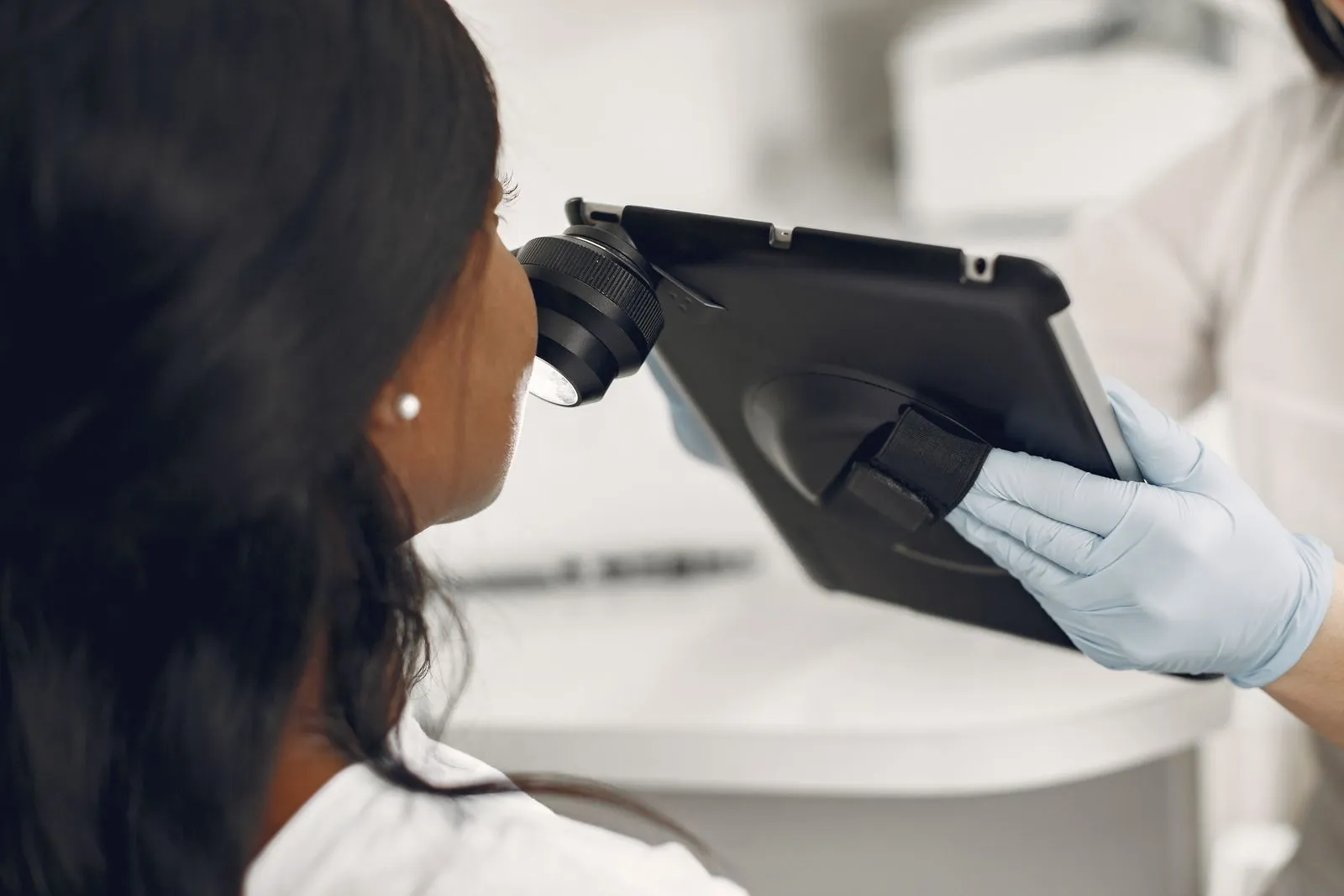
Skin changes can be difficult to describe, especially when they come and go or appear alongside other symptoms. A little preparation can help your dermatologist understand what you have noticed and what concerns you most. Before your visit, gather a clear timeline, relevant health information, and questions you want answered. You do not need to arrive with a diagnosis. Your observations can help guide the conversation and support decisions about examination, testing, or follow-up.
Describe Your Skin Symptoms
Write down when each concern began and whether it has changed over time. Note where it appears, how often it happens, and whether it is constant or comes and goes. Describe what you see or feel, such as a rash, color change, thickening, tenderness, itching, swelling, or skin that feels unusually tight or fragile.
Include possible triggers and anything that seems to help or worsen the symptoms. Consider sun exposure, temperature, physical activity, stress, new products, or medication changes. If a skin change is temporary, take clear photos in good lighting and note the date. Bring images that show changes over time, but avoid delaying care to capture a photo.
Gather Relevant Health History
Prepare a current medication list, including prescriptions, over-the-counter medicines, vitamins, and supplements. Add allergies and any treatments you have tried for the skin concern, along with whether they helped or caused a reaction. If you know the names of creams or products, bring the packaging or a photo of the label.
Share relevant medical history, including prior skin conditions, diagnoses involving connective tissue, and any evaluations or test results you have received. Mention symptoms beyond the skin if they are part of your concern, such as joint discomfort, muscle weakness, or unusual fatigue. Include family history of related conditions when you know it; it may help provide context, but it does not determine a diagnosis.
Bring Questions to Ask
Choose a few questions that matter most to you and write them down. You might ask what conditions could explain the skin changes, whether an exam or testing is appropriate, and what information a test can or cannot provide. Ask how connective tissue concerns may relate to your skin symptoms and whether another type of clinician should be involved.
Discuss practical next steps, including treatment options, possible side effects, and how to care for the affected skin at home. Ask what changes should prompt a call or earlier follow-up, and when to expect a response about any test results. If you are unsure about a term or recommendation, ask the dermatologist to explain it in everyday language.
Make the Visit Easier
Before the appointment, check whether the office has forms or instructions for new patients. Bring your notes, medication list, photos, and any relevant records you can access. Wear clothing that makes the affected skin easy to examine, and avoid applying makeup or topical products over the area if you can do so comfortably.
If you have several concerns, start by naming the one that affects you most. Let the dermatologist know if a symptom is painful, rapidly changing, or interfering with daily activities. You can bring a trusted person for support or help taking notes. If you cannot answer a question, it is fine to say so and follow up later.
A concise timeline, useful health details, and a few written questions can help make your visit more focused. Bring what you have, share what you are unsure about, and ask for clarification whenever you need it. Desert Skin Connective Care can help you prepare for a dermatology visit and discuss your concerns.