
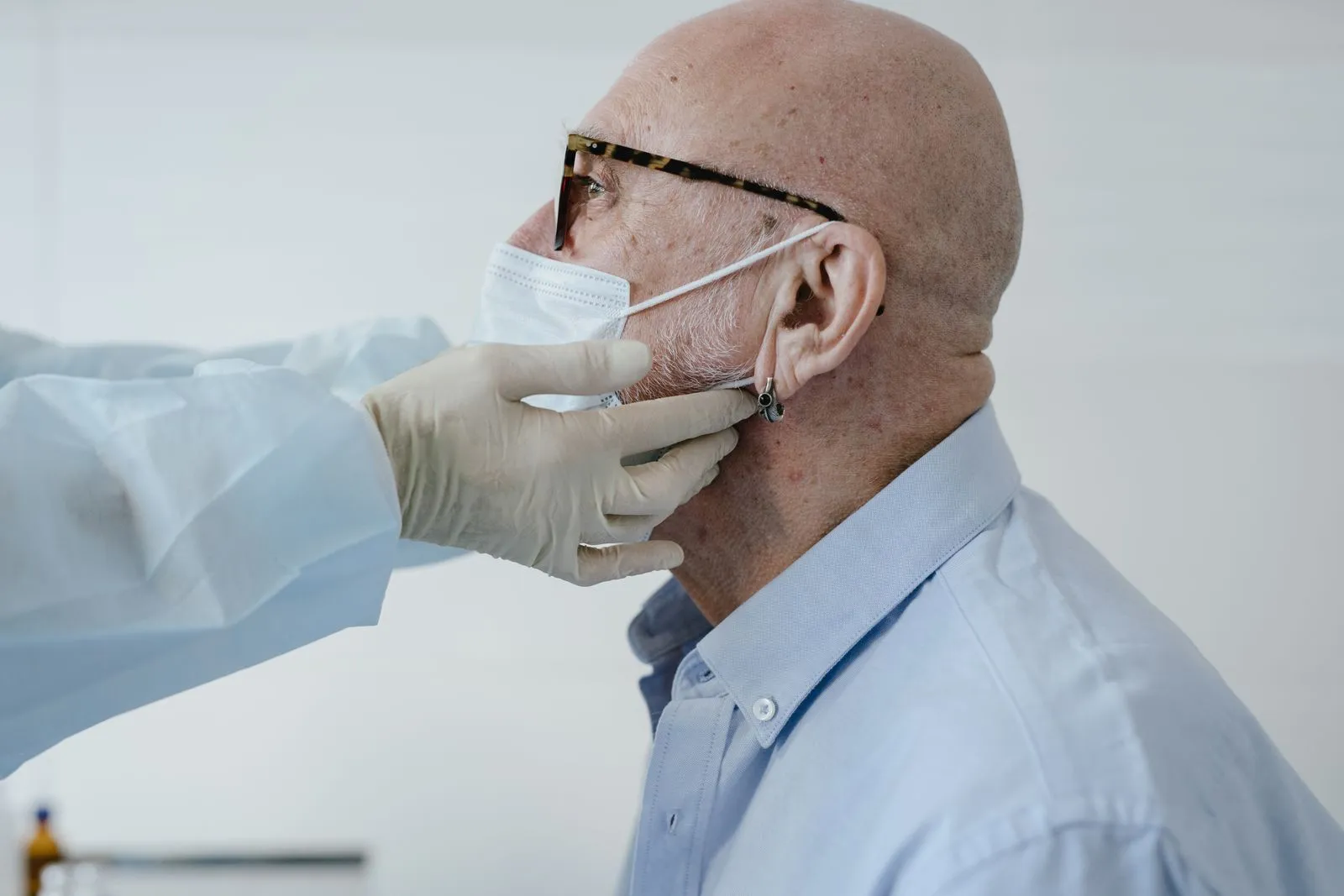
Connective tissue conditions can affect more than joints, muscles, or internal organs. Some also change the skin, hair, nails, or small blood vessels near the skin’s surface. These signs vary by condition and by person, and a skin change alone cannot confirm a diagnosis. Knowing what to notice can help you explain your concerns clearly and seek the right care. A dermatologist can assess changes in the context of your health history and other symptoms.
Skin changes to watch
Some connective tissue diseases are associated with rashes or changes in skin color and texture. For example, certain conditions may cause a rash across the cheeks and nose, raised or scaly patches, or skin that becomes thick, tight, or less flexible. Other people notice sores, discoloration, or changes around the fingertips. The pattern can offer useful clues, but similar changes can have many causes, including common skin conditions or medication effects.
Blood vessel changes can also show up in the skin. Fingers or toes may turn pale, blue, or red in response to cold or stress, sometimes with numbness or discomfort. Small visible blood vessels, easy flushing, or sores that heal slowly may also be worth discussing. Note where a change appears, whether it affects both sides of the body, and what seems to trigger it.
Hair, nails, and skin comfort
Connective tissue conditions and their treatments can sometimes affect hair and nails. You might notice more hair shedding, fragile nails, changes in nail shape, or inflammation around the nails. Dryness, itching, sensitivity to sunlight, and skin that bruises or tears easily can also occur for different reasons. These symptoms are not specific to connective tissue disease, so share them rather than assuming they point to one diagnosis.
Keep a simple record of changes. Take clear photos in consistent lighting, write down when symptoms began, and note whether they flare after sun exposure, cold, stress, or a medication change. Include any discomfort, itching, swelling, or trouble with everyday tasks. Bring a list of medicines and supplements to your appointment, and avoid stopping a prescribed treatment without speaking with the clinician who manages it.
When to see a dermatologist
Arrange a dermatology visit for a persistent, recurring, or unexplained rash; new skin tightening or thickening; sores that do not heal; or a noticeable change in skin color, texture, hair, or nails. It is especially helpful to mention these changes if you already have a connective tissue diagnosis or symptoms such as joint pain, muscle weakness, unusual fatigue, or color changes in your fingers. A dermatologist can examine your skin and decide whether testing or coordination with another clinician is appropriate.
Seek prompt medical care for rapidly worsening symptoms, severe pain, spreading redness or warmth, signs of infection, or skin sores that become dark or open. Sudden breathing difficulty, chest pain, or other severe symptoms require emergency care. At a routine visit, ask what findings need follow-up, how to protect sensitive skin, and whether a change could be related to a treatment. Clear observations help your care team make a practical plan.
Skin changes can provide useful information, but they need to be interpreted alongside your overall health. Track what you notice and discuss persistent or concerning symptoms with a dermatologist, especially if you have other signs of a connective tissue condition. Desert Skin Connective Care can help you plan a visit to review your skin concerns.